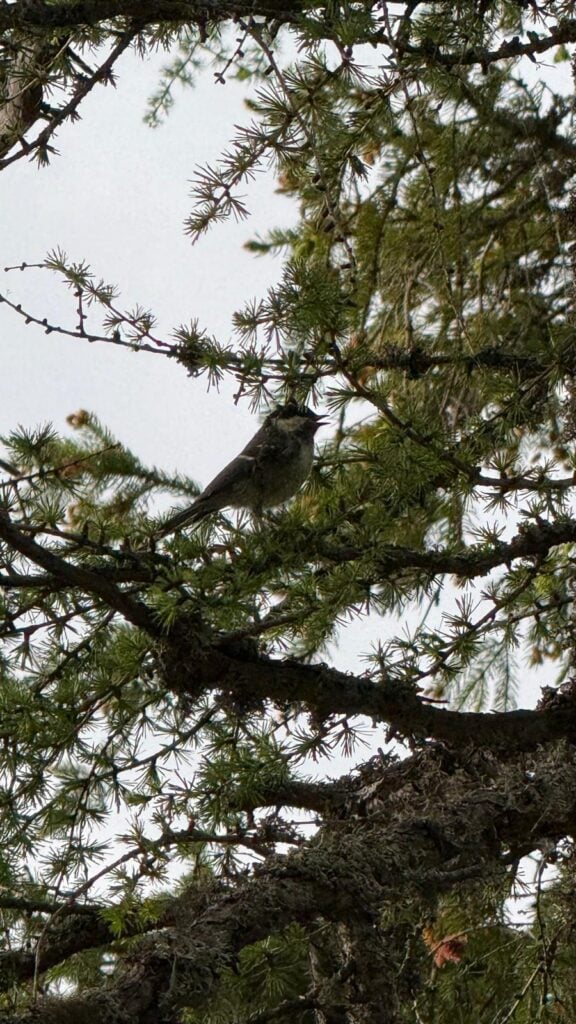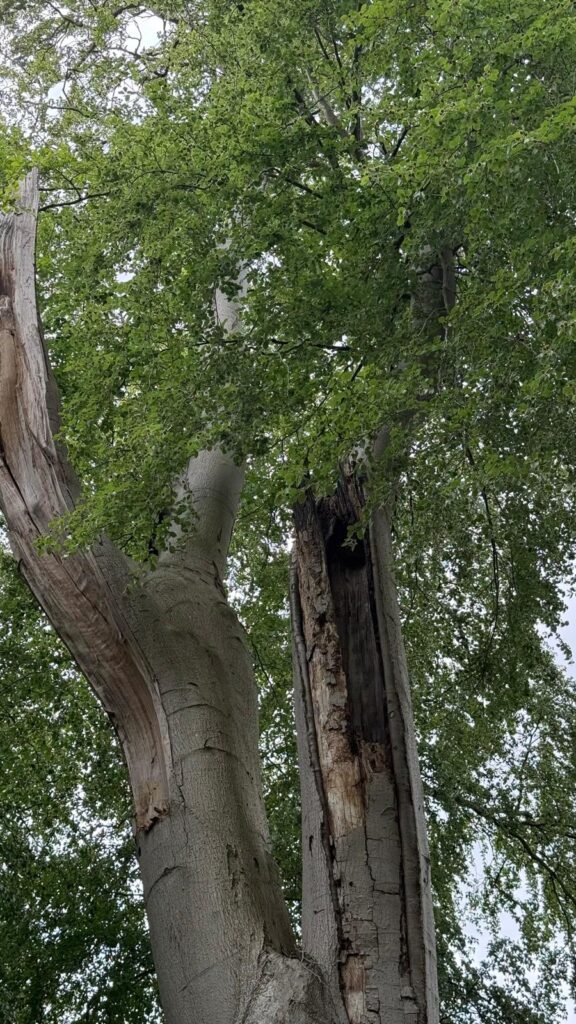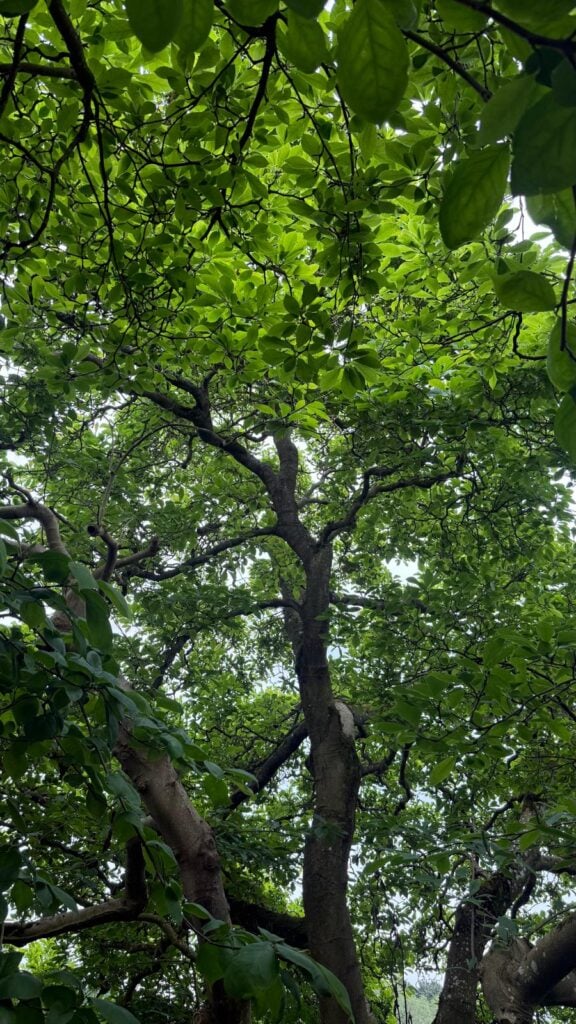
Put nature back into people’s everyday lives
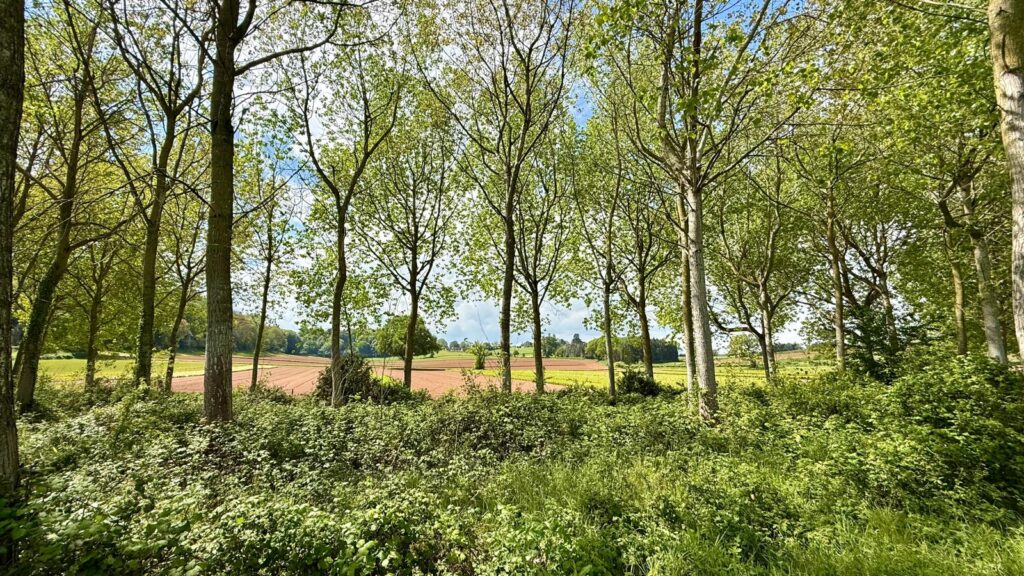
We’re calling for better implementation of smarter biodiversity planning initiatives to create built environments where nature is part of everyday life – improving people’s wellbeing through access to green space (July 2026).
While Biodiversity Net Gain (BNG) is the framework for bridging the gap, we want to see more planting being done to turn Cecil Konijnendijk’s 3-30-300 Rule into reality across development projects.
Boost & support wellbeing
Kersten, our Sales and Marketing Director, explains:
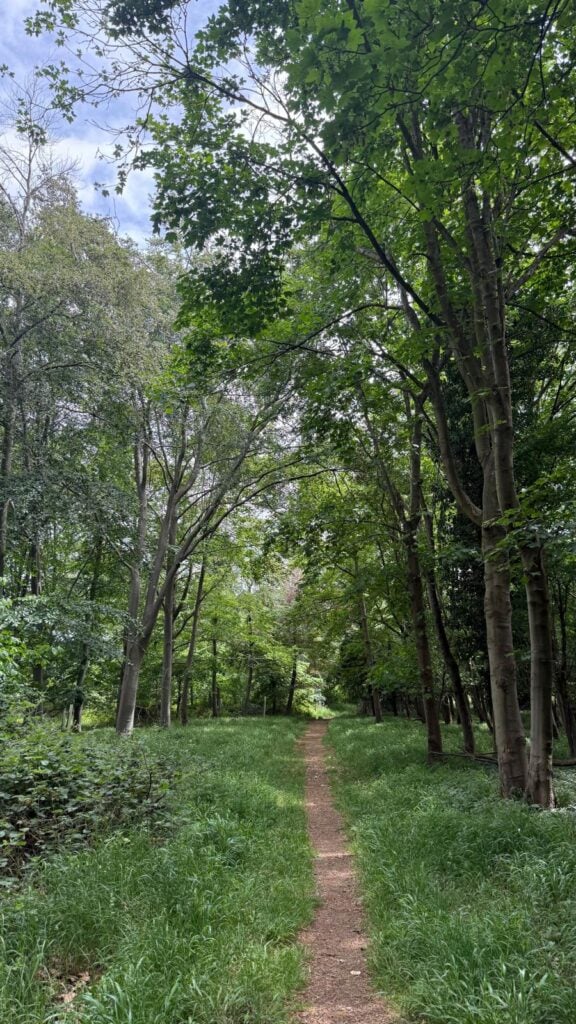
“The rule, first proposed by the urban forestry expert in 2021, focuses on what residents can see and reach daily.
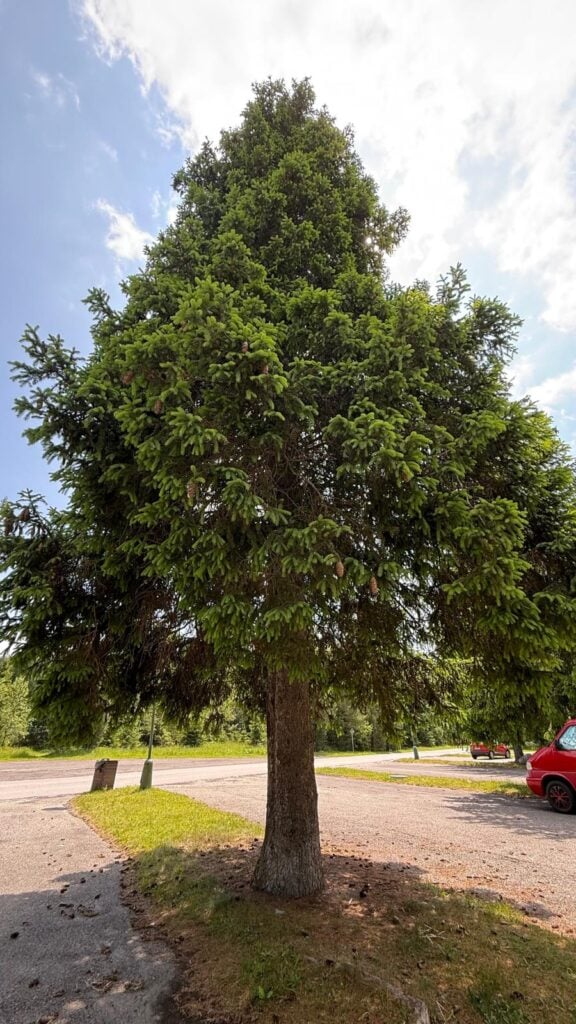
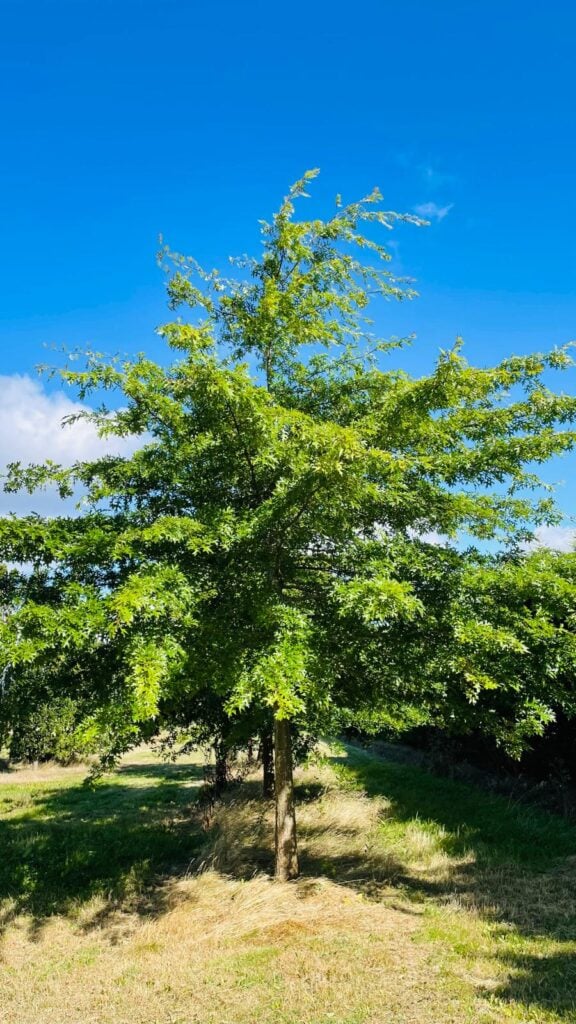
“The thinking behind it is that there should be three trees visible from every building, 30% canopy cover in every neighbourhood and people should have access to green space within 300 metres from where they are. Studies consistently show that simply seeing natural elements – even from indoors – can boost and support positive mental wellbeing. Trees are so important for human beings and we’ve lost sight of this.
Raising awareness
“We’re raising awareness of the 3-30-300 vision, but it’s the BNG that provides the framework to help make it happen. It ensures that trees and green infrastructure are not token gestures, but core components of how developments are designed, delivered and managed over time and we need more of this to start making a meaningful difference to people’s lives.
“We believe BNG staddles the divide between aspiration and implementation, ensuring trees and green infrastructure are planned, measurable and managed long-term rather than treated as a last-minute addition.”
Landscape management
BNG has marked a fundamental shift in how biodiversity is considered within development, moving it from a ‘nice-to-have’ aspiration to a measurable, enforceable requirement.
Developers must now demonstrate a minimum 10% net gain in biodiversity value, changing the way planting, habitat creation and long-term landscape management are approached.
Kersten continues:
“It’s so important to go further than the minimum when new developments are built. More trees are better for everyone. Towns and cities are under increasing pressure from climate change, rising temperatures, densification and growing demands on public space. At the same time, awareness of the links between nature and quality of life have never been greater.
Improved mental health
“Trees play a critical role in addressing many of these challenges. They provide shade, reduce urban heat, capture carbon, improve air quality and create habitat – while also delivering less tangible benefits such as stress reduction and improved mental health.”
Under BNG, habitat creation is planned rather than incidental, planting schemes are quantified rather than purely aesthetic, and long-term stewardship is embedded from the outset. This prompts a more searching question at the heart of development design: what does this space actually deliver over time?
3-30-300 Rule
It is a question that closely aligns with the aims of the 3-30-300 Rule – the urban greening framework that calls for three trees visible from every home.
While 3-30-300 is rooted in human experience, visibility and access, BNG approaches the same ambition through biodiversity metrics, habitat value and policy compliance.
Although BNG is often discussed in terms of policy and compliance, we believe it represents one of the most practical mechanisms available for embedding the principles behind 3-30-300 into real places.
Pushing biodiversity
By pushing biodiversity considerations earlier in the design process and requiring robust measurement and management, BNG helps ensure green infrastructure delivers lasting value.
Across housing, public realm and infrastructure projects, we’re seeing growing demand for trees, hedging and plants that do more than meet a specification.
Part of everyday life
Clients are increasingly seeking planting that supports biodiversity objectives, withstands changing climatic conditions and contributes to healthier, more resilient environments.
Kersten adds:
“These are the building blocks of the 3-30-300 ideal. By integrating biodiversity and tree planting from day one, developments are better placed to create places where nature is not incidental, but part of everyday life – for people and wildlife alike.”