Top 10 Best Plants for Pollinators from our 2026 Retailers’ Catalogue
Encouraging pollinators into the garden is one of the most rewarding ways to boost biodiversity.
Our 2026 Retailers’ Catalogue is filled with outstanding plants that offer nectar, pollen and long-lasting seasonal interest. Here are our top 10 pollinator favourites for the year ahead.
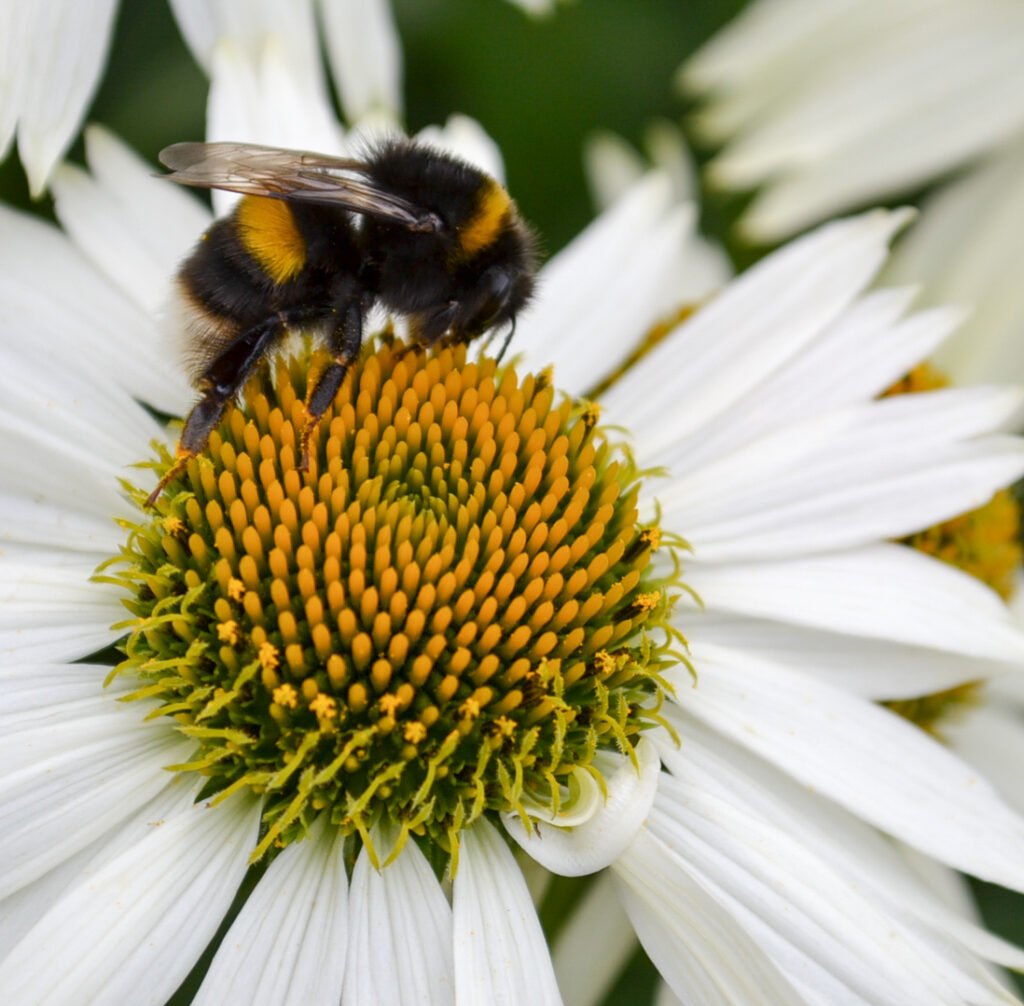
Echinacea ‘White Meditation’
A compact white coneflower producing clean, bold blooms loved by butterflies and bees through summer.
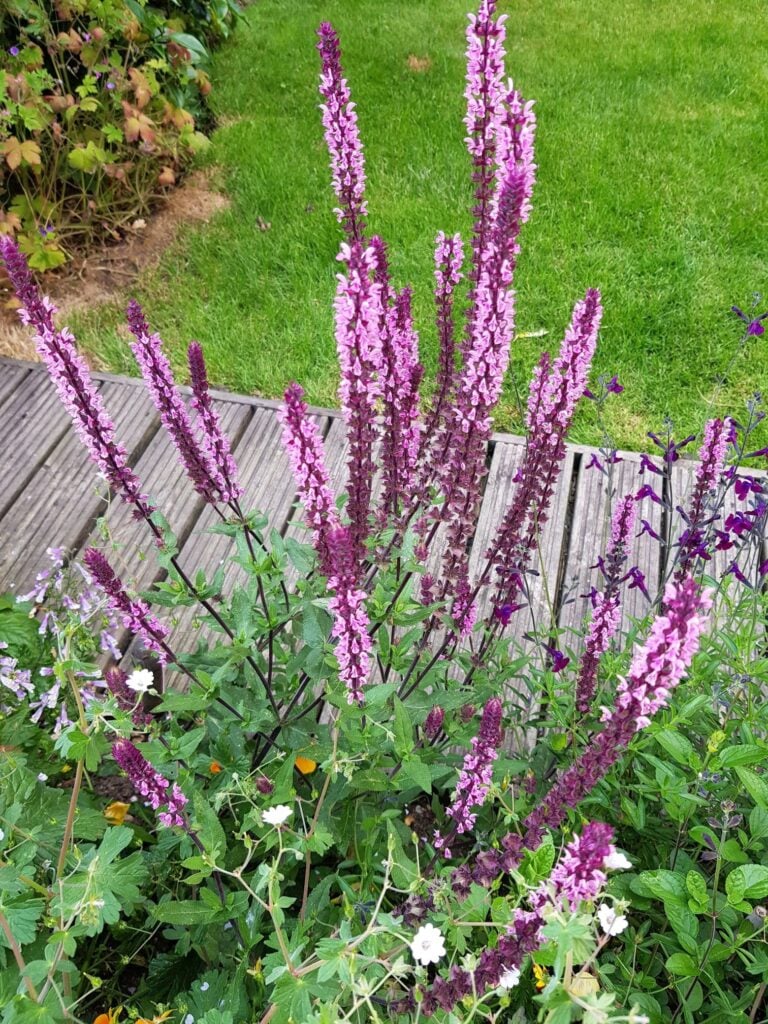
Salvia caradonna ‘Pink Inspiration’
A standout pollinator plant, with pale-pink blooms set on deep-purple stems. They’re beautiful and bee‑tempting.
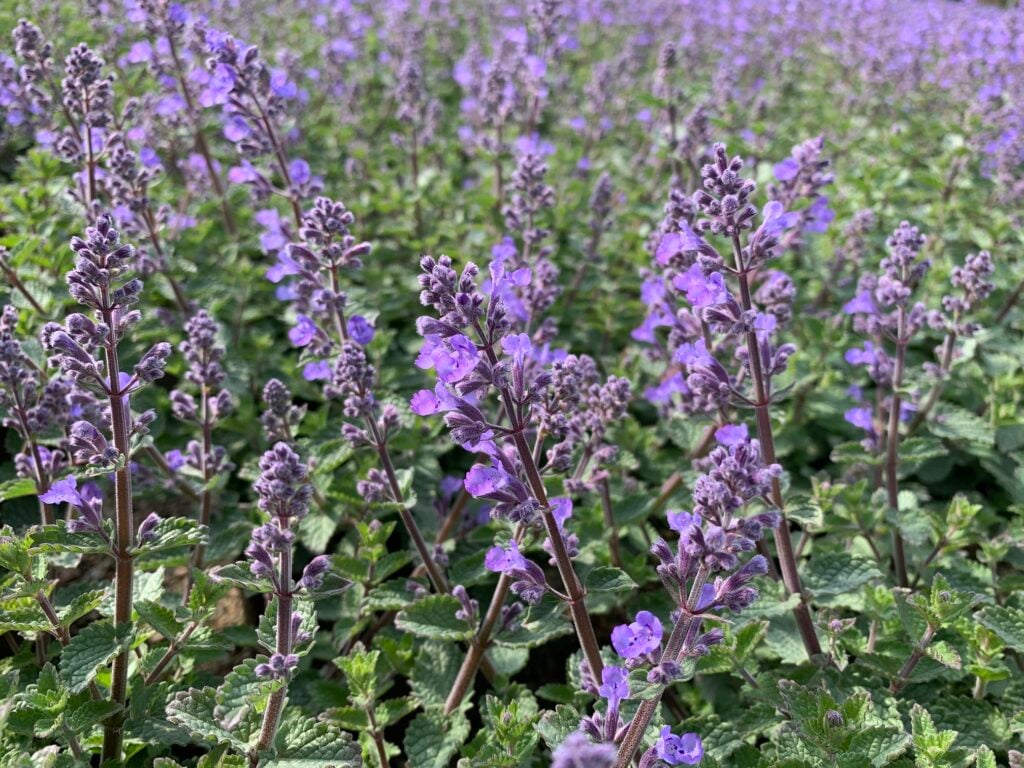
Nepeta faasenii ‘Purrsian Blue’
A compact catmint producing abundant violet-blue flowers and aromatic foliage irresistible to bees.
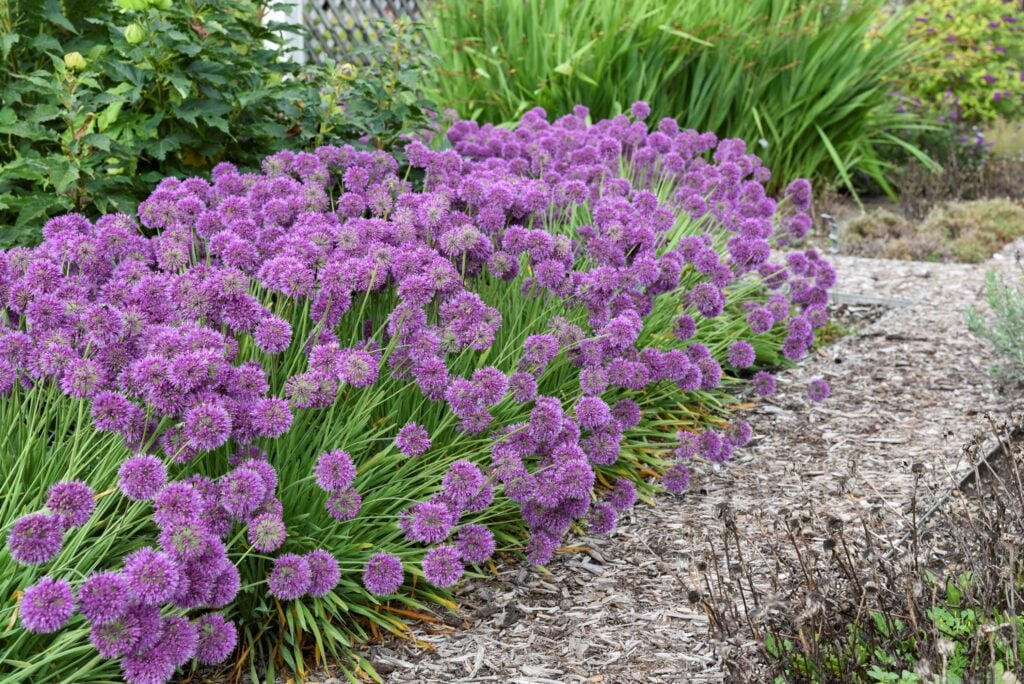
Allium ‘Lavender Bubbles’
Durable, dusky-purple allium heads provide structure and reliable summer nectar.
Anisodontea capensis ‘Elegans Princess’
Soft pink blooms from spring to autumn make this a long-season favourite for bees and butterflies.
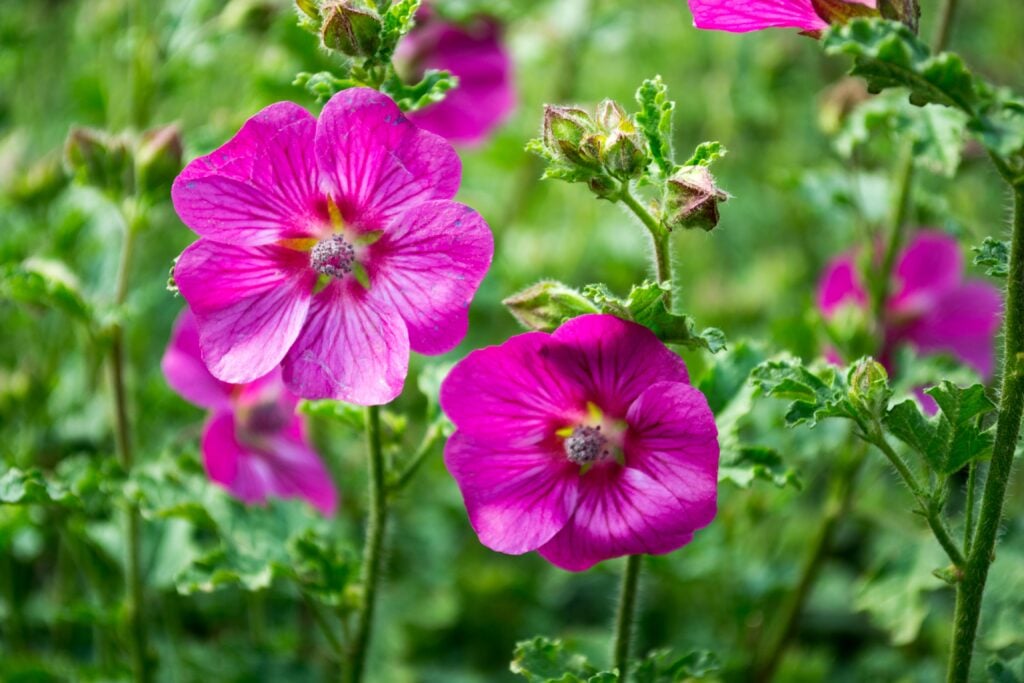
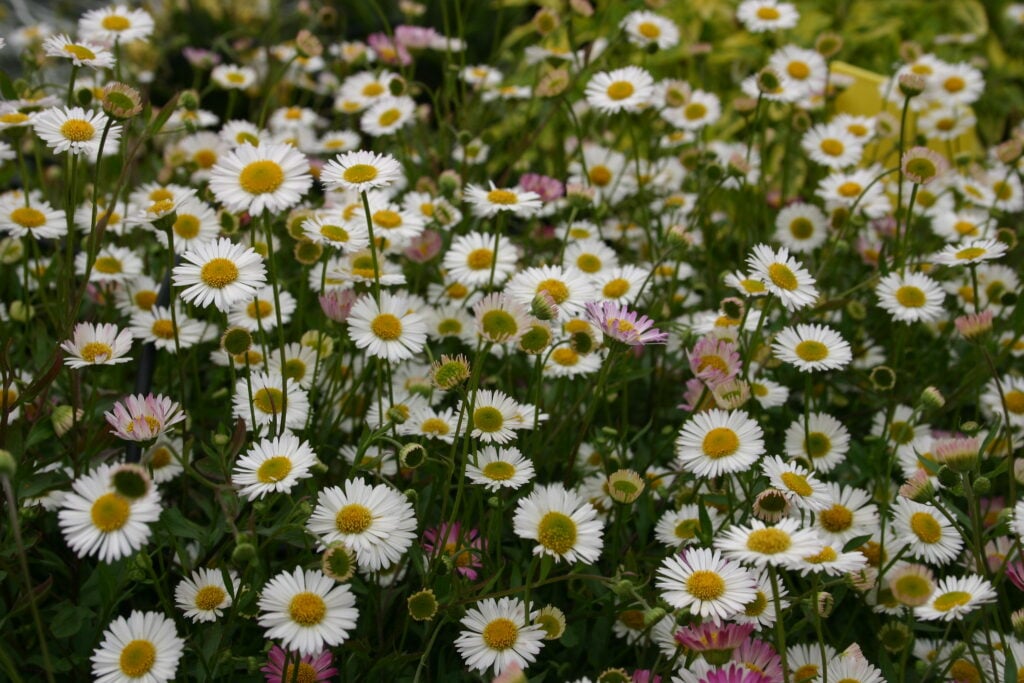
Erigeron karvinskianus ‘Sea of Blossom’
Flowering for up to nine months, this dainty daisy provides incredibly consistent pollinator support.
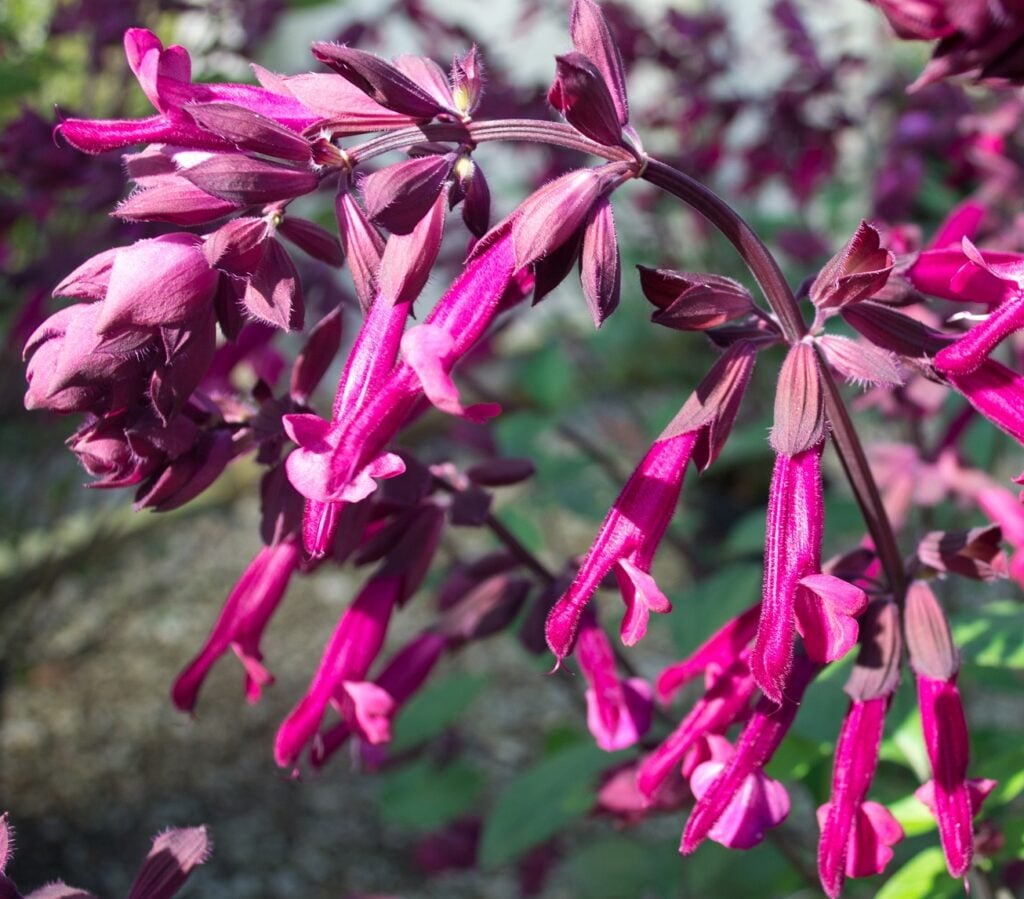
Salvia ‘Love and Wishes’
This long-flowering variety blooms from June to November, offering months of nectar-rich purple flowers.
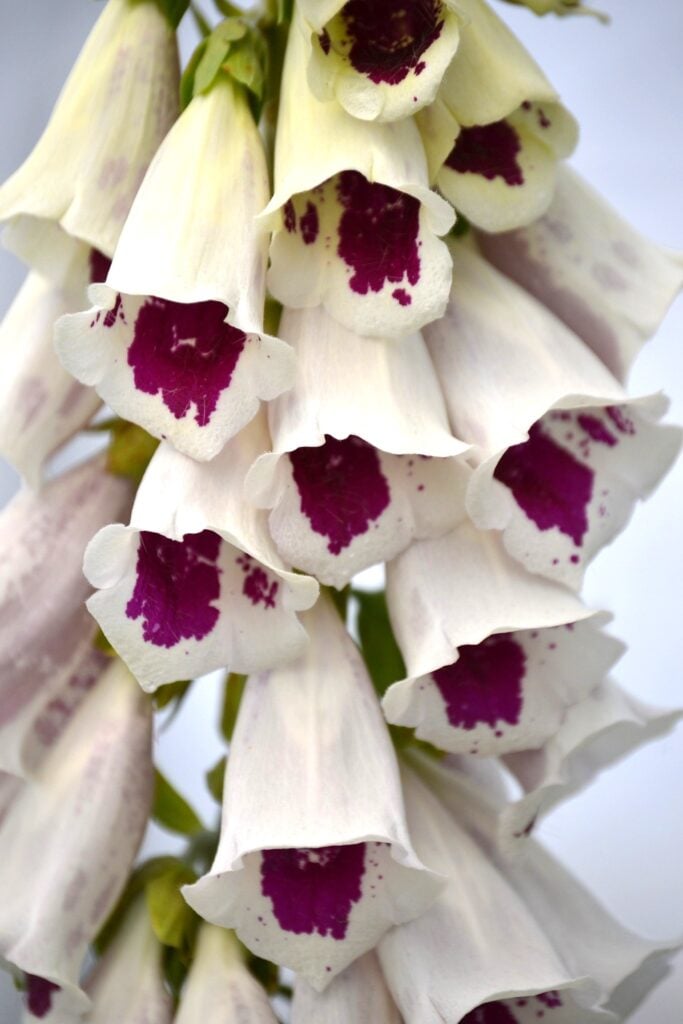
Digitalis purpurea ‘Pam’s Choice’
A valuable early-summer food source thanks to tall spires of white flowers with dramatic burgundy throats.
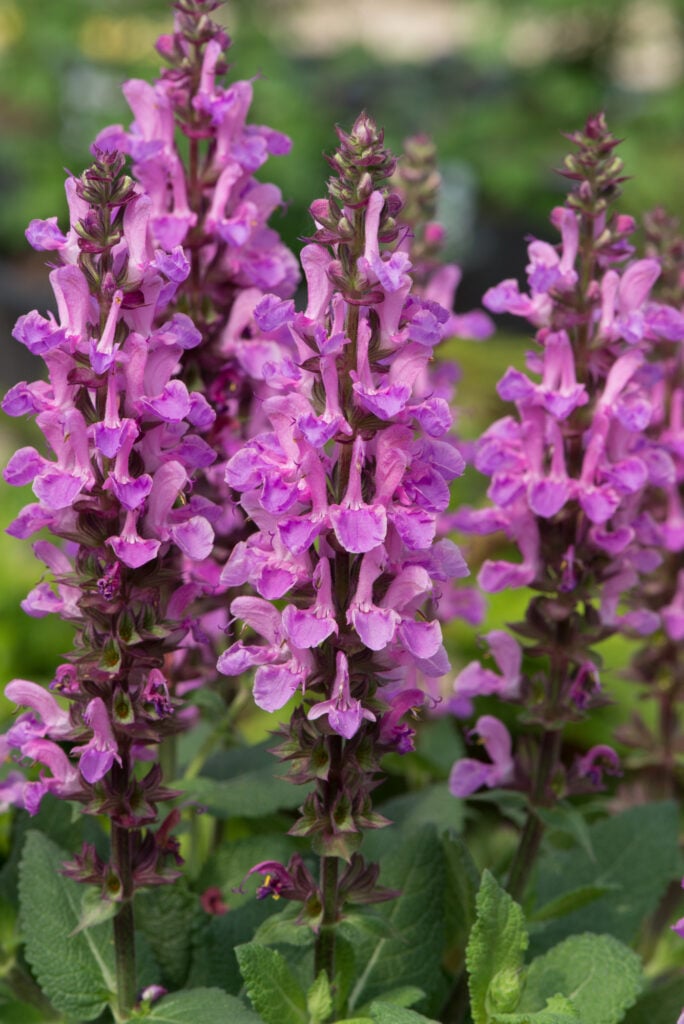
Salvia nemorosa ‘Rose Marvel’
Replacing our previous pick, ‘Rose Marvel’ produces exceptionally large rose‑pink blooms throughout summer. Like all Salvias, it’s rich in nectar and highly attractive to bees and other pollinating insects.
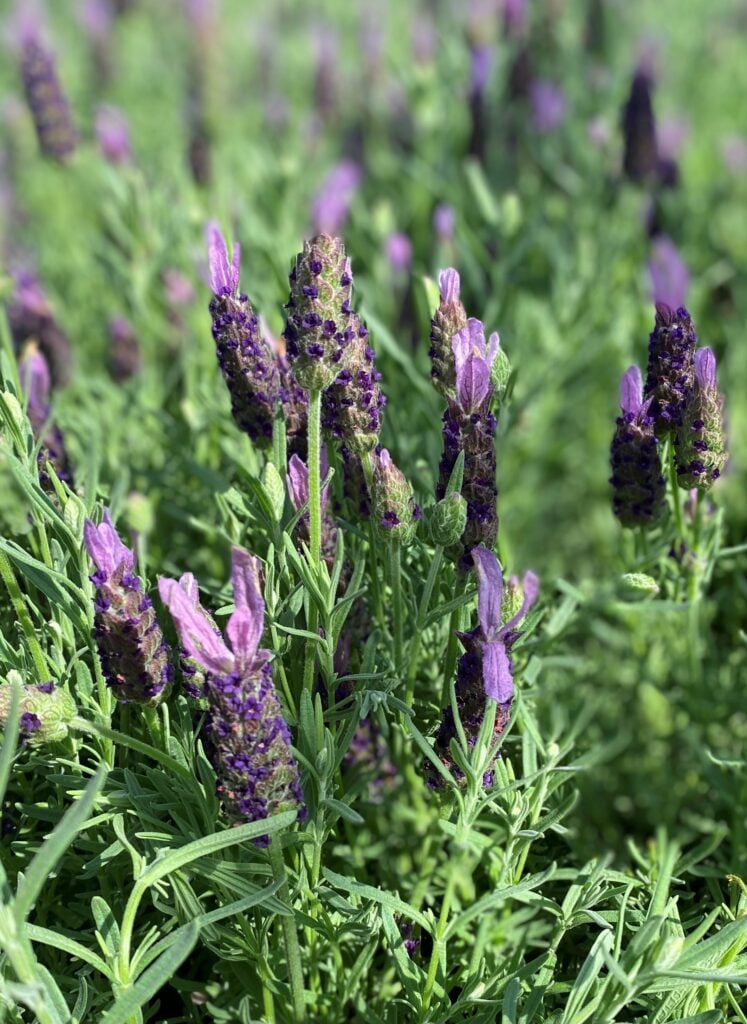
Lavandula stoechas ‘Lilac Wings’
This compact butterfly lavender produces purple flowers topped with lilac bracts that bees adore, providing excellent early-season forage.
These 10 varieties combine beauty, reliability and exceptional ecological value, making them perfect choices for pollinator-friendly gardens in 2026 and beyond.