
How we’re strengthening our biosecurity for the future
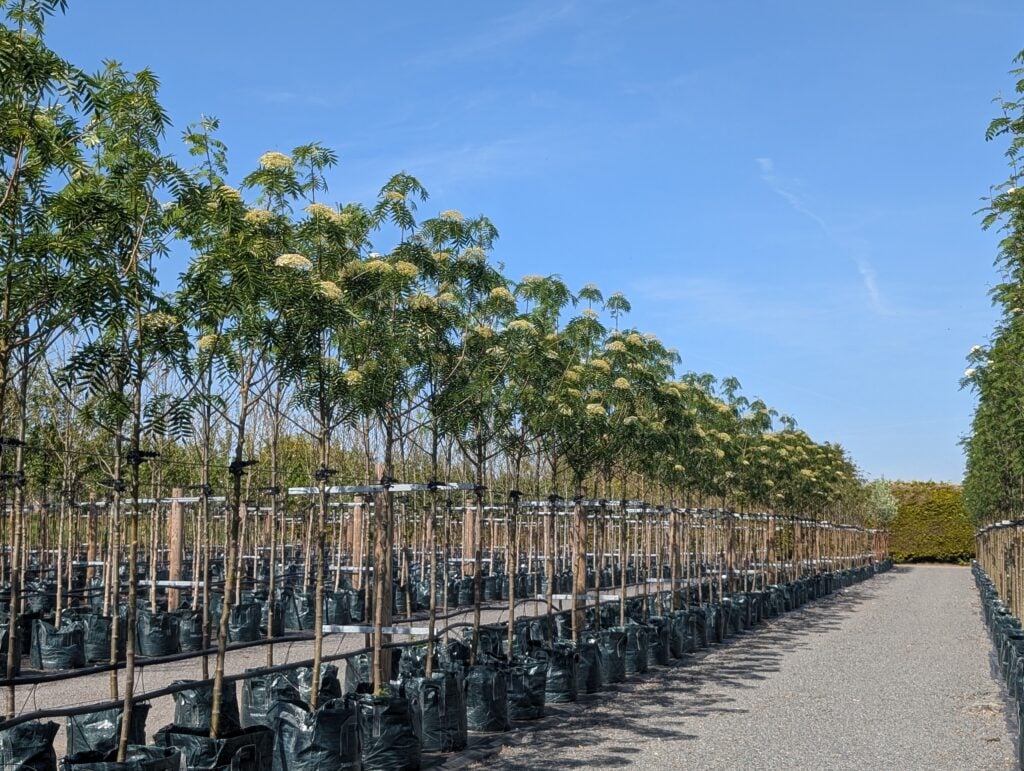
Protecting plant health is a crucial part of our everyday operations and this is why we are supporting National Plant Health Week, which runs from May 11 until 17.
National Plant Health Week is a UK-wide, collaborative campaign designed to raise awareness of how everyone involved with plants, from growers and landscapers to retailers and gardeners, can play a vital role in keeping plants healthy
With increasing threats from invasive pests and pathogens, safeguarding plant health has never been more important.
British biosecurity pioneers
A British biosecurity pioneer, we are a Defra-endorsed member of the Plant Health Alliance’s Plant Healthy Certification scheme. This independent certification demonstrates our commitment to producing the highest quality plants for our customers, supported by robust and independently audited nursery biosecurity standards.
It covers our containers, transplants and trees and delivers confidence, consistency and plant health you can trust.
Being Plant Healthy certified means our biosecurity practices are continuously reviewed and improved, helping to reduce the risk of pests and diseases spreading through the UK horticultural supply chain.
Why biosecurity matters
In today’s interconnected world, the movement of plants, people and equipment creates ongoing biosecurity challenges. Threats can arrive from unexpected sources – contaminated footwear, traded plants or shared machinery. We recognise biosecurity as an essential ‘invisible shield’ that protects not only our crops, but also local ecosystems and the wider industry. Protecting plant health today helps secure the future of our sector tomorrow.
Our practical biosecurity measures
Our approach to biosecurity goes far beyond theory. It is built into the daily habits, systems and culture of our nursery.
This is what we do:
- • Isolate and Inspect
- All newly acquired plants are quarantined and thoroughly inspected before joining existing stock, reducing the risk of introducing disease.
- • Control Movement
- Access to high-risk areas is managed carefully and equipment is sanitised between sites and uses where possible.
- • Clean & Disinfect
- Footwear, tools and vehicles are regularly cleaned and disinfected when moving between growing areas.
- • Keep Detailed Records
- Comprehensive logs of plant movements and purchases allow rapid tracing if an issue were ever identified.
- • Source Responsibly
- We work closely with trusted suppliers who meet national standards, helping to ensure consistent plant health throughout the supply chain.
- • Monitor & Report
- Regular crop monitoring enables early detection of unusual symptoms, which are reported and escalated immediately when necessary.
Training, hygiene & accountability
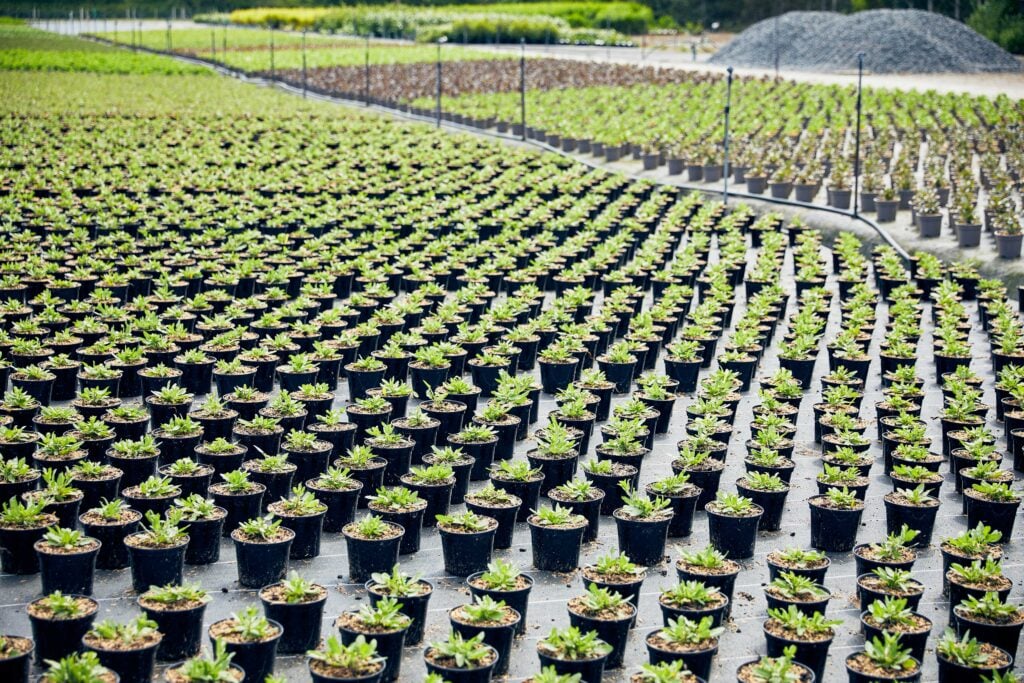
Biosecurity is a collective responsibility. Staff from across our business, and not just technical crop protection teams, receive expert biosecurity training. This year alone, an additional 20 team members have been trained, ensuring that everyone who interacts with plants understands the risks and their role in mitigating them.
Good nursery hygiene and housekeeping underpin our operations, ensuring plants are always presented at their best while reducing biosecurity risks. As a Plant Healthy certified business, we adhere to the Plant Health Management Standard, which is independently audited annually. This requires an up-to-date Site and Operations Pest Risk Analysis, with clear mitigation strategies in place.
Responsible sourcing & reduced risk
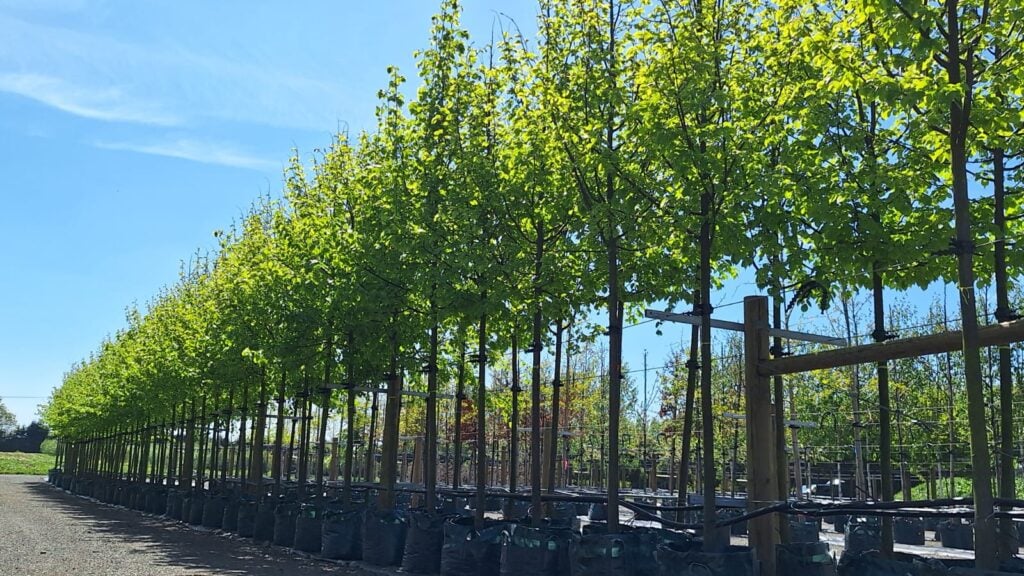
Importing plant material represents one of the greatest biosecurity risks. While meeting customer expectations for a diverse range of species. We have taken decisive action to reduce exposure. We have eliminated high-risk imports such as Olea, Nerium, Vitis and Citrus, prioritising UK production and sourcing other material only from approved, trusted suppliers.
A shared responsibility
National Plant Health Week is an important reminder that plant health protection is a shared responsibility. By improving awareness, encouraging best practice and supporting certified growers, we can collectively protect the future of UK horticulture.
We remain committed to safeguarding plant health – today, tomorrow and for generations to come.