
Our Climate Champion Trees: planting for a resilient future
As climate change accelerates, trees have become one of our most vital natural defences. Their ability to cool cities, store carbon, support biodiversity and stabilise landscapes positions them as frontline ‘Climate Champions’ in both urban and rural environments.
We’ve put together a selection of resilient, high‑performing species identified for their exceptional environmental value and included them in our FREE Tree Tech Guide. There are trees that don’t just survive in challenging conditions but actively improve them.
Why Climate Champion Trees matter
Trees deliver climate benefits in several powerful ways:
Carbon sequestration
All trees store carbon, but some do so more efficiently thanks to fast growth, large canopies, or specialised structures. Their ability to extract CO₂ from the atmosphere directly helps reduce greenhouse gas levels.
Cooling & temperature regulation
Through shade and transpiration, trees reduce ambient temperatures and help counter the urban heat‑island effect, a rising concern in densely built environments.
Air & water quality improvements
Trees filter pollutants, trap particulates, enhance rainwater infiltration and stabilise soil, making landscapes healthier and more resilient.
Biodiversity support & weather protection
Trees filter pollutants, trap particulates, enhance rainwater infiltration and stabilise soil, making landscapes healthier and more resilient.
Meet some of our Climate Champions
Our Climate Champions are each chosen for outstanding environmental performance are top performers in carbon capture and climate resilience. Here are just a few from our FREE Tree Tech Guide – download the guide to see them all:
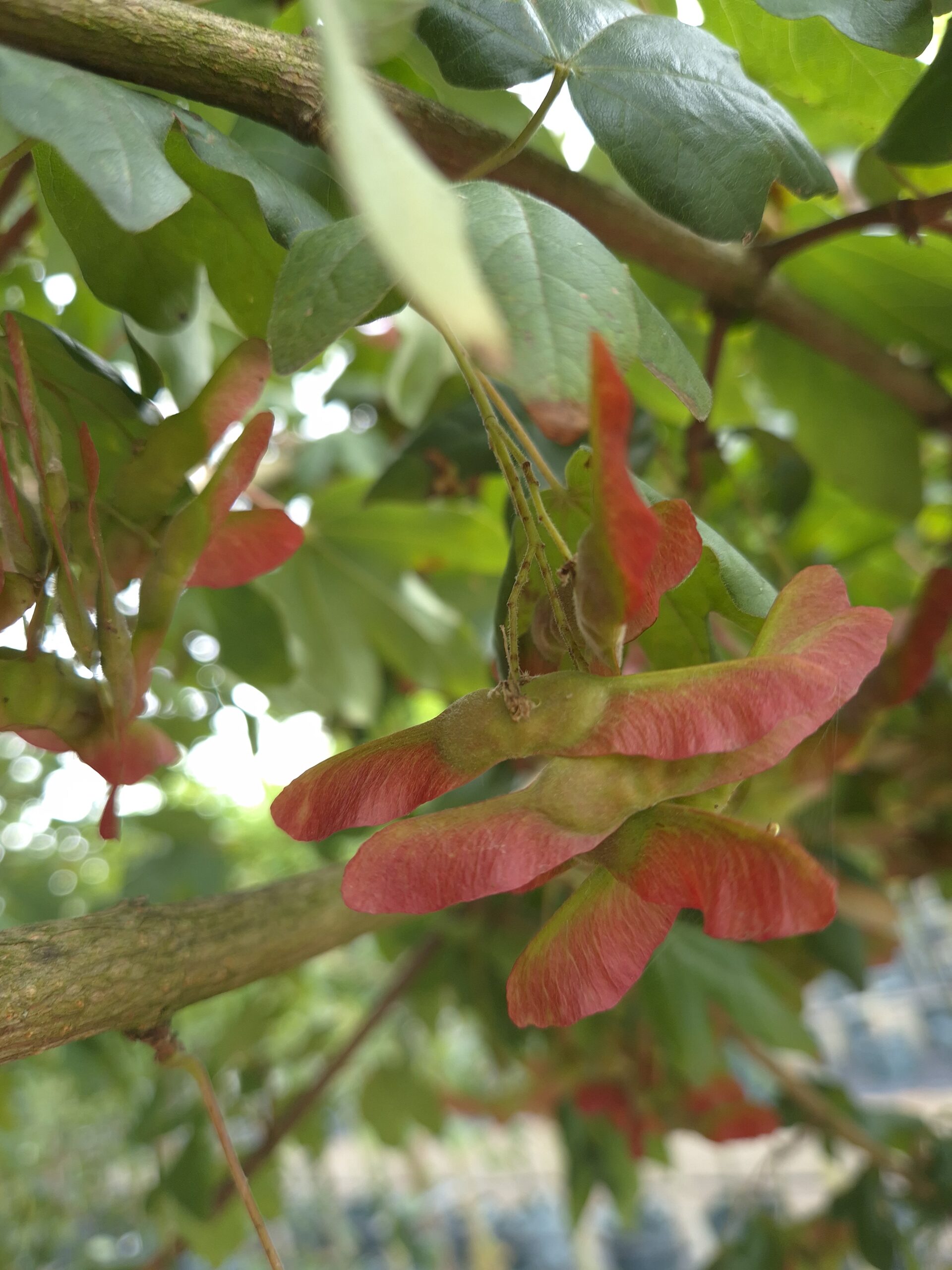
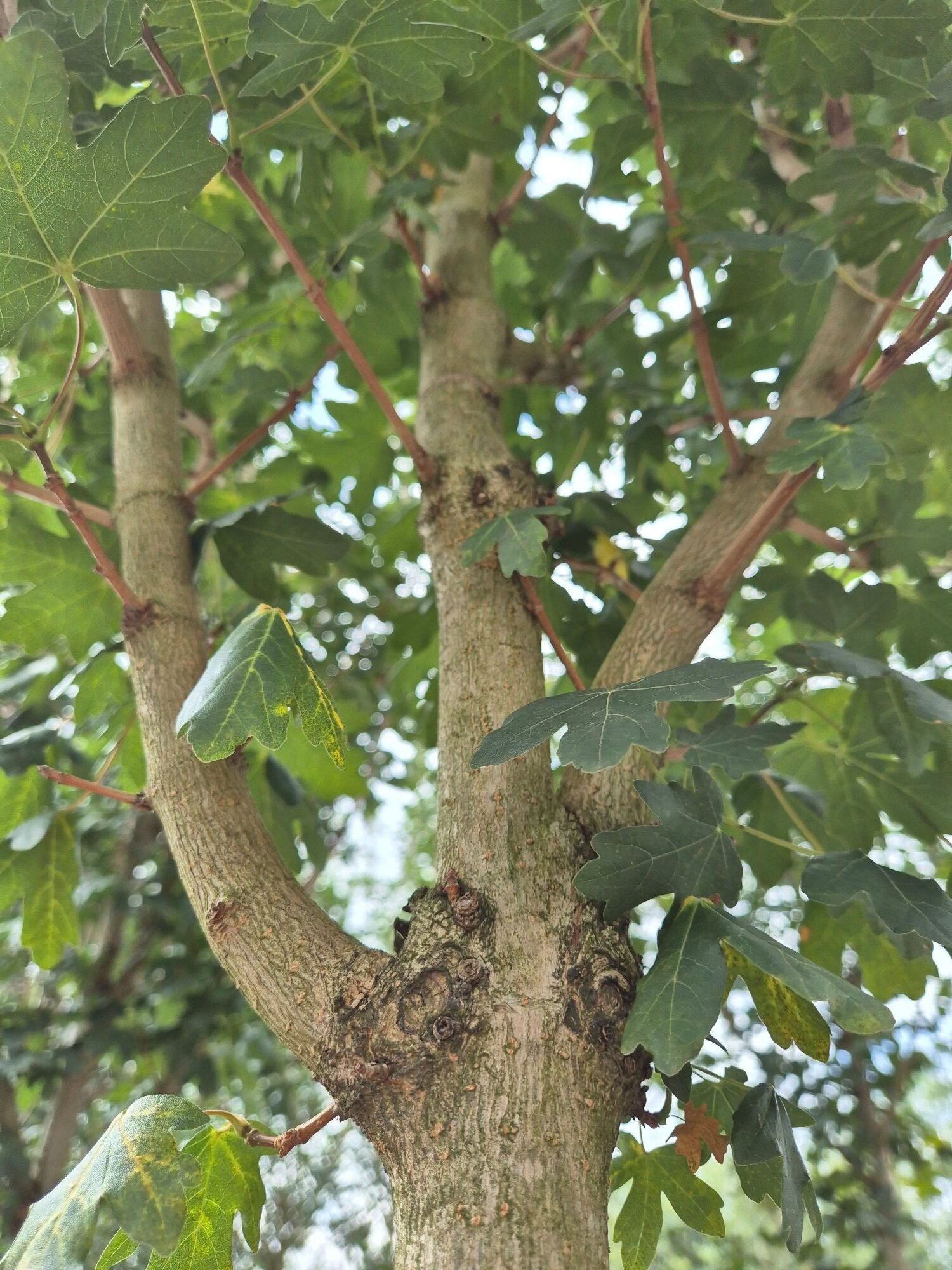
Acer campestre ‘Elegant’ – exceptionally tolerant of drought, pollution and varied soils, this field maple cultivar is reliable in both rural and urban conditions and has strong carbon‑sequestration capability.
Acer campestre ‘Red Shine’ – highly resilient in coastal and urban spaces, coping with drought, wind and salt, making it ideal for public landscapes.
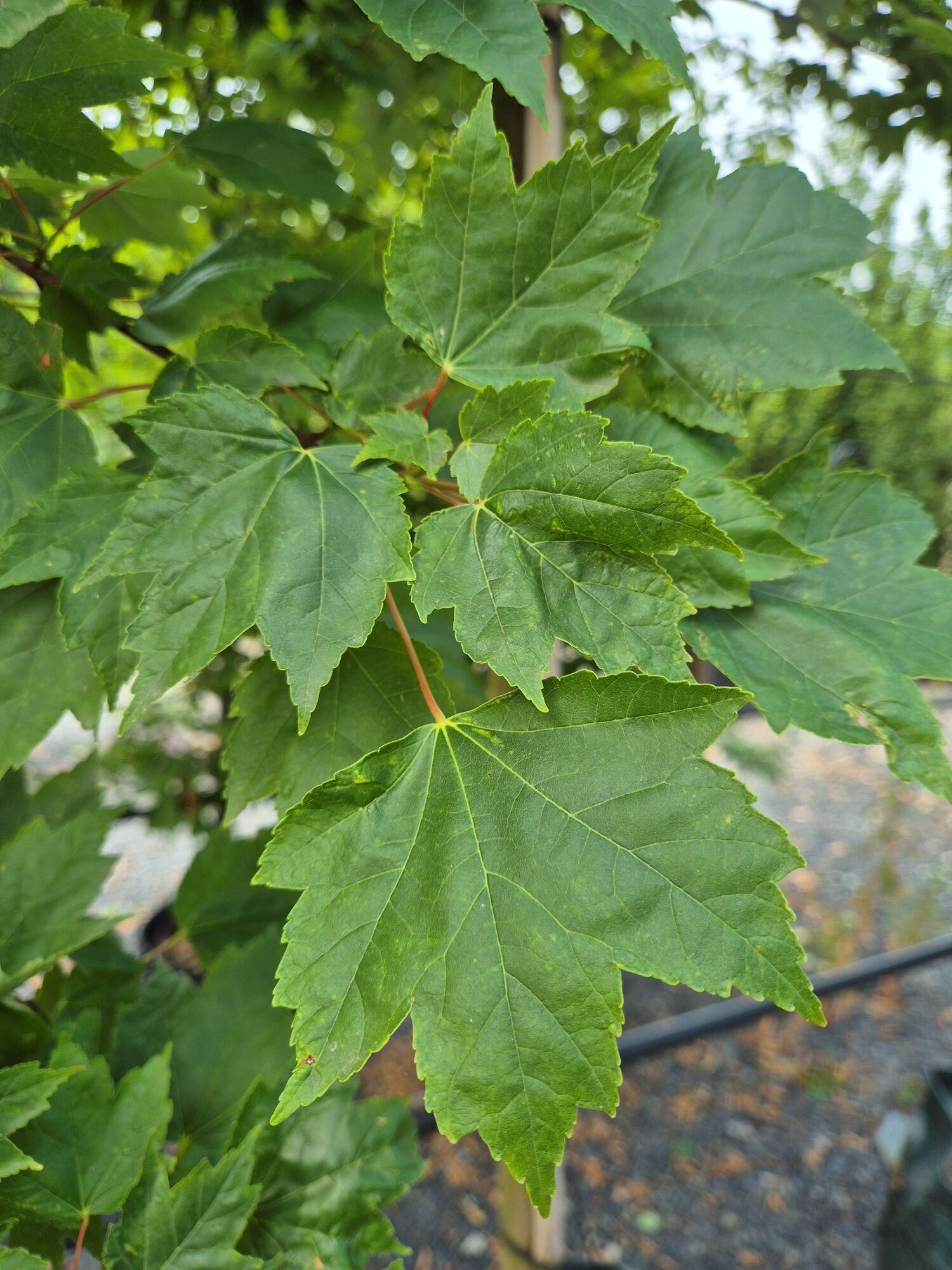
Acer rubrum ‘Brandywine’ – adapted to shifting climates, this red maple handles both drought and cold while providing striking seasonal colour.
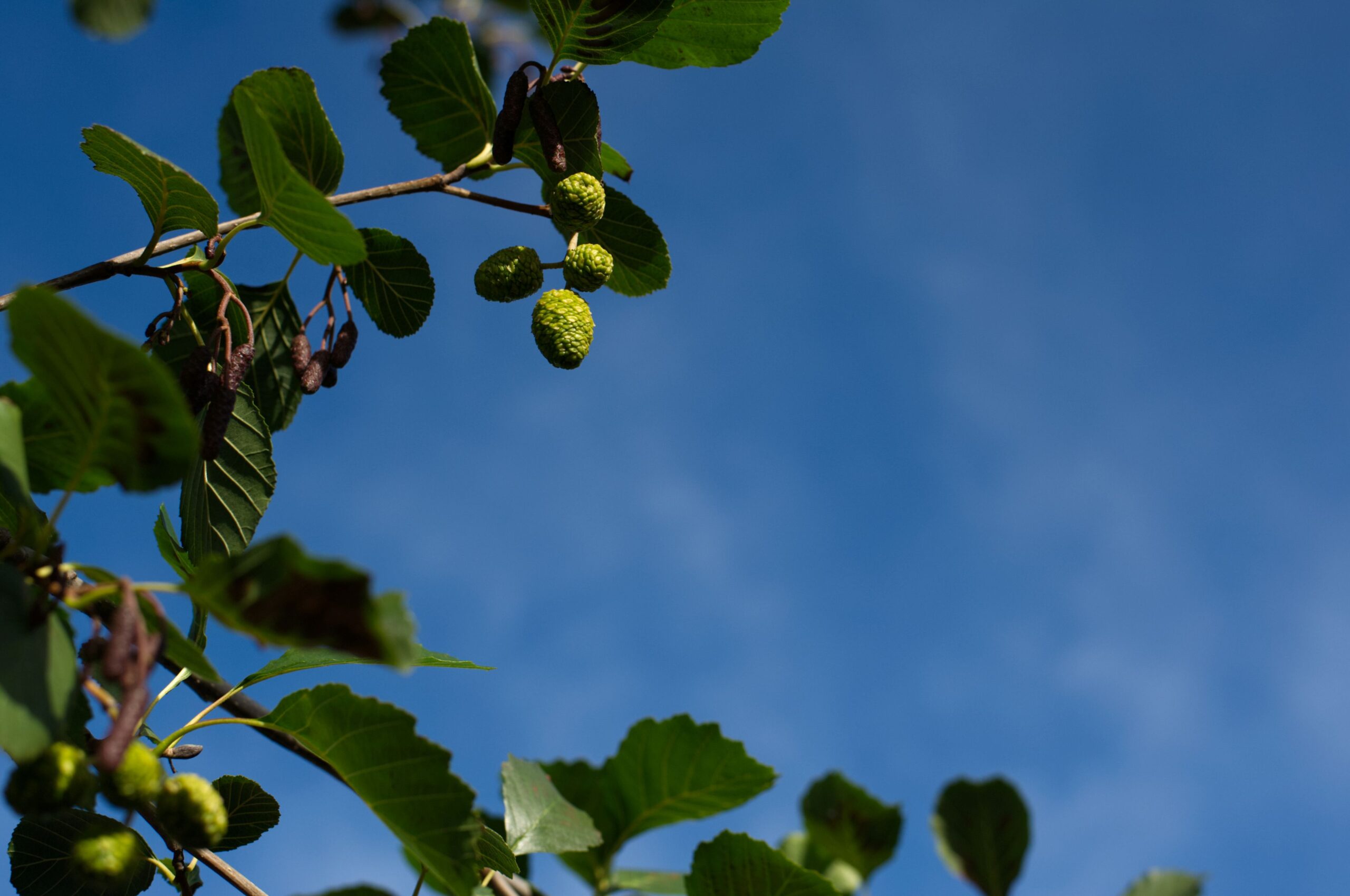
Alnus glutinosa – a native species thriving even in poor or waterlogged soils, perfect for wetland restoration and urban pollution tolerance.
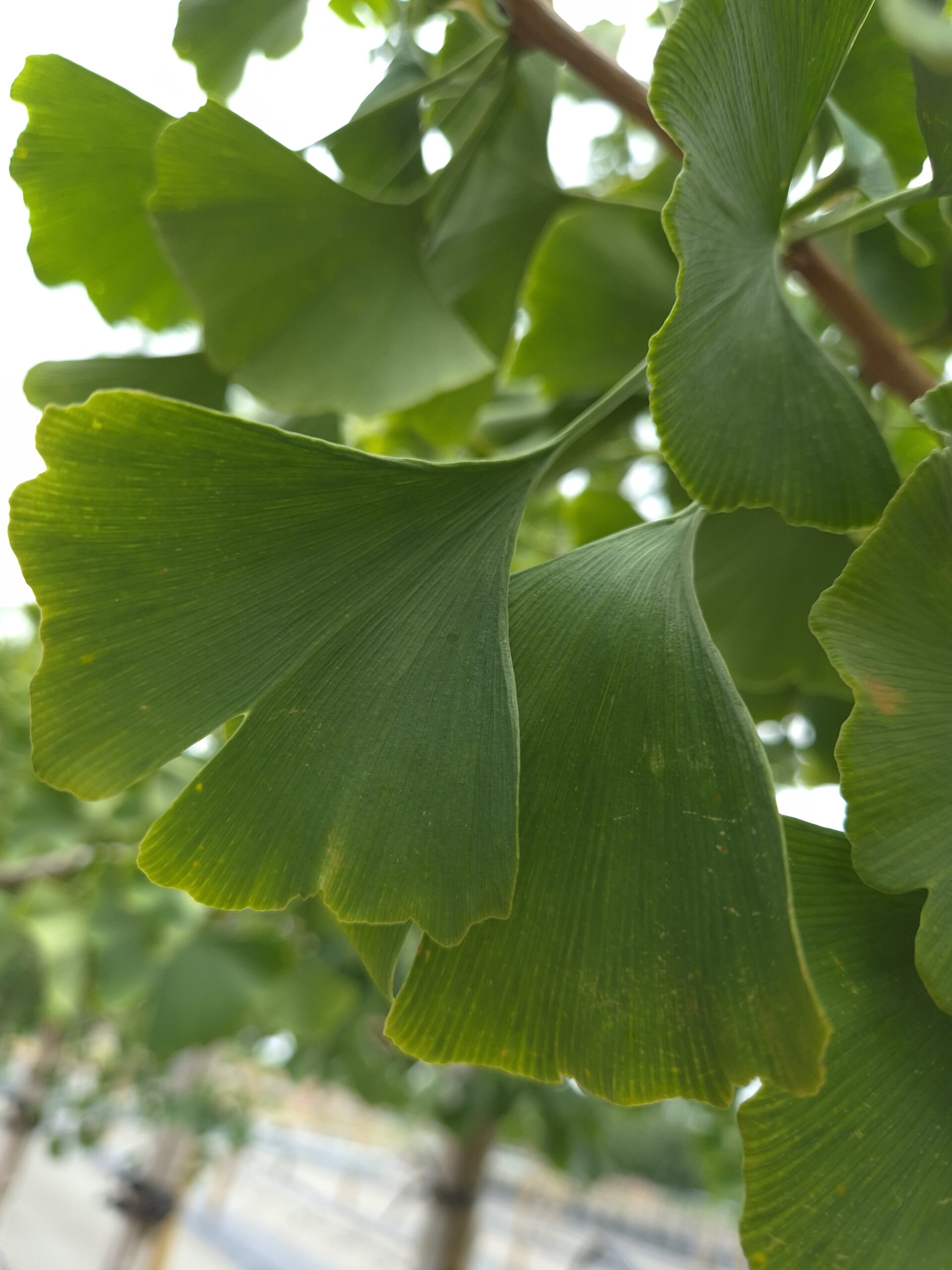
Ginkgo biloba – one of the toughest urban trees, tolerant of pollution, compacted ground, stormwater runoff and diverse climates.
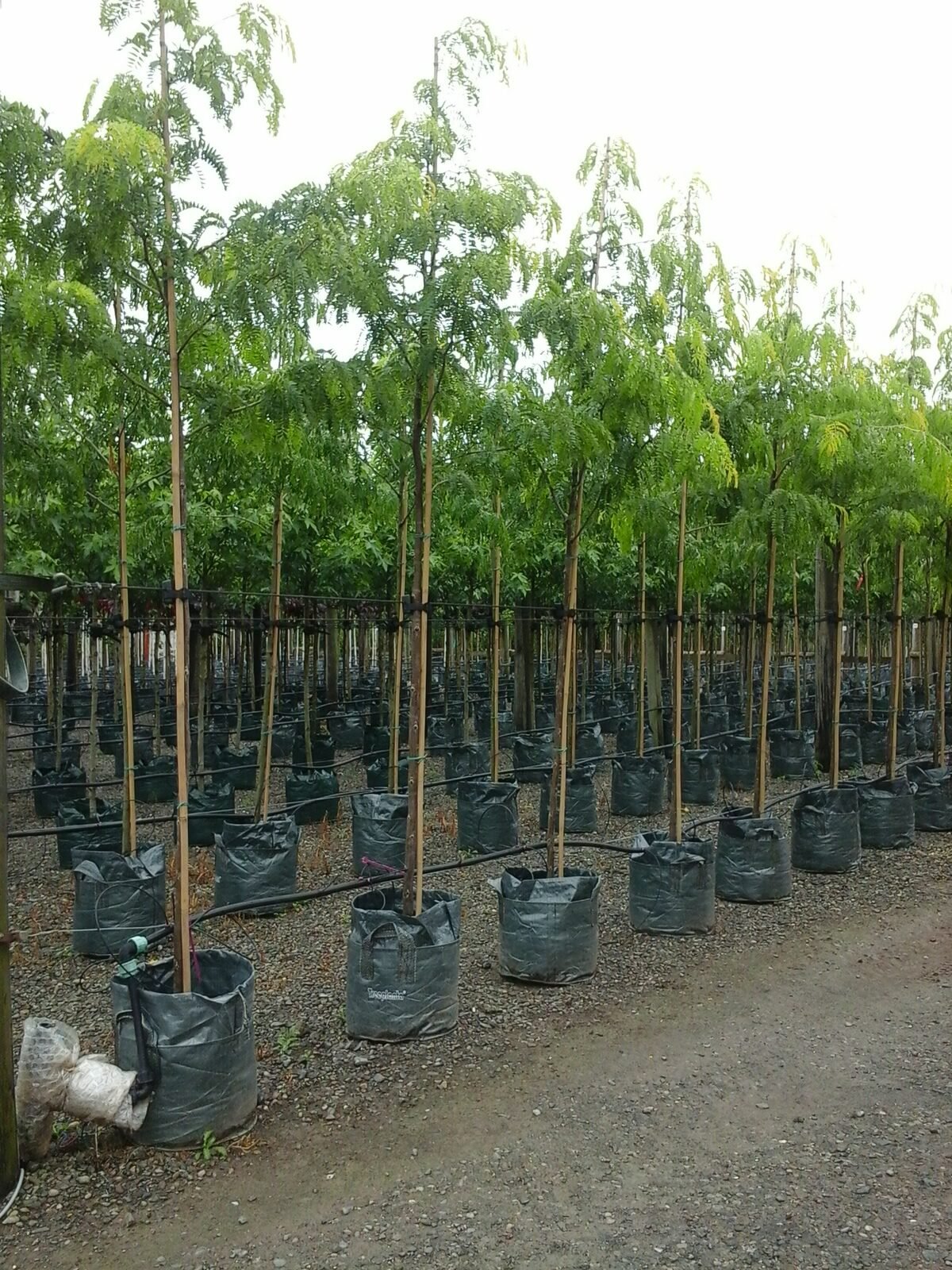
Gleditsia triacanthos ‘Shademaster’ – a low‑maintenance, drought‑tolerant canopy tree that cools cities with light, filtered shade.
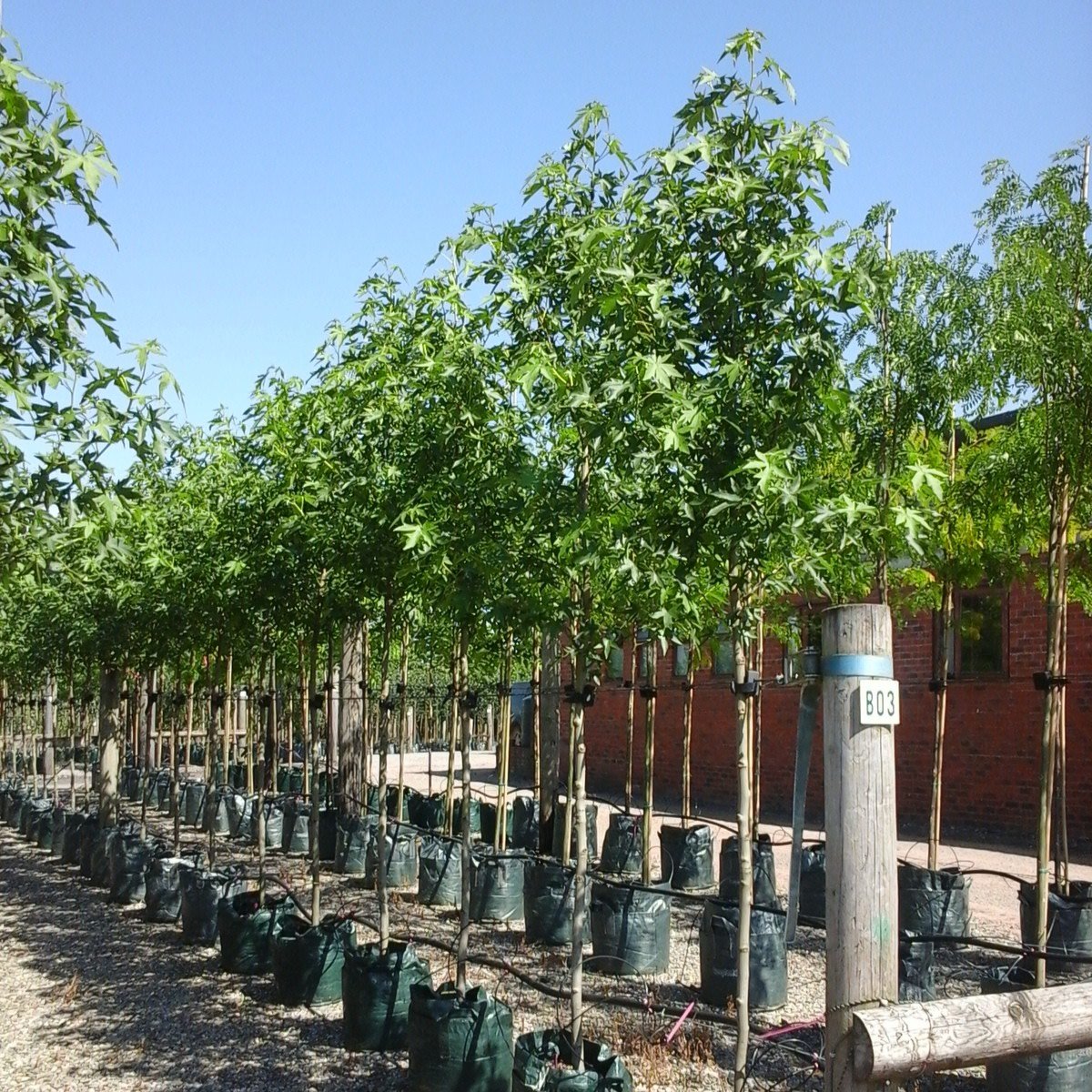
Liquidambar styraciflua ‘Worplesdon’ – effective at absorbing co₂ while offering heat‑reducing shade and strong drought resilience.
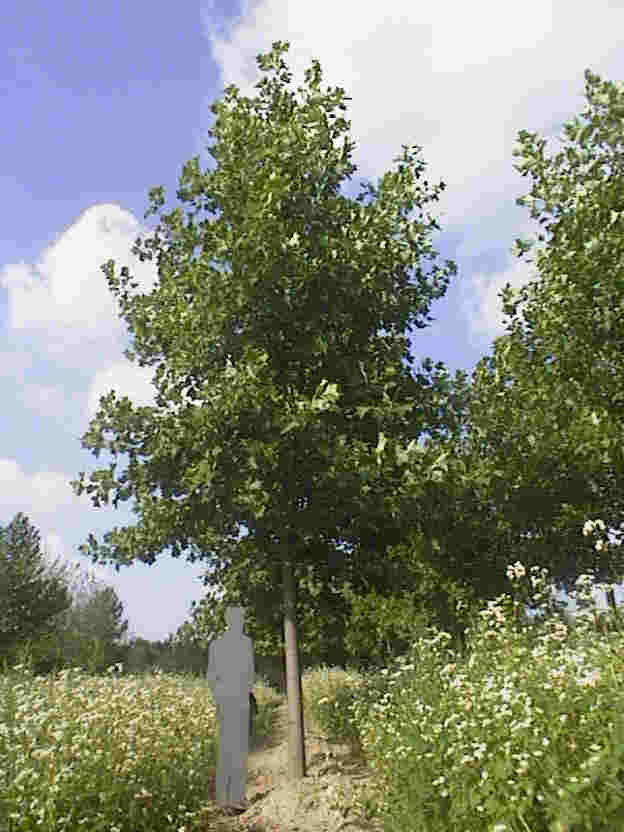
Liriodendron tulipifera – remarkably efficient at carbon capture thanks to unique leaf micro‑structures developed over evolutionary time.
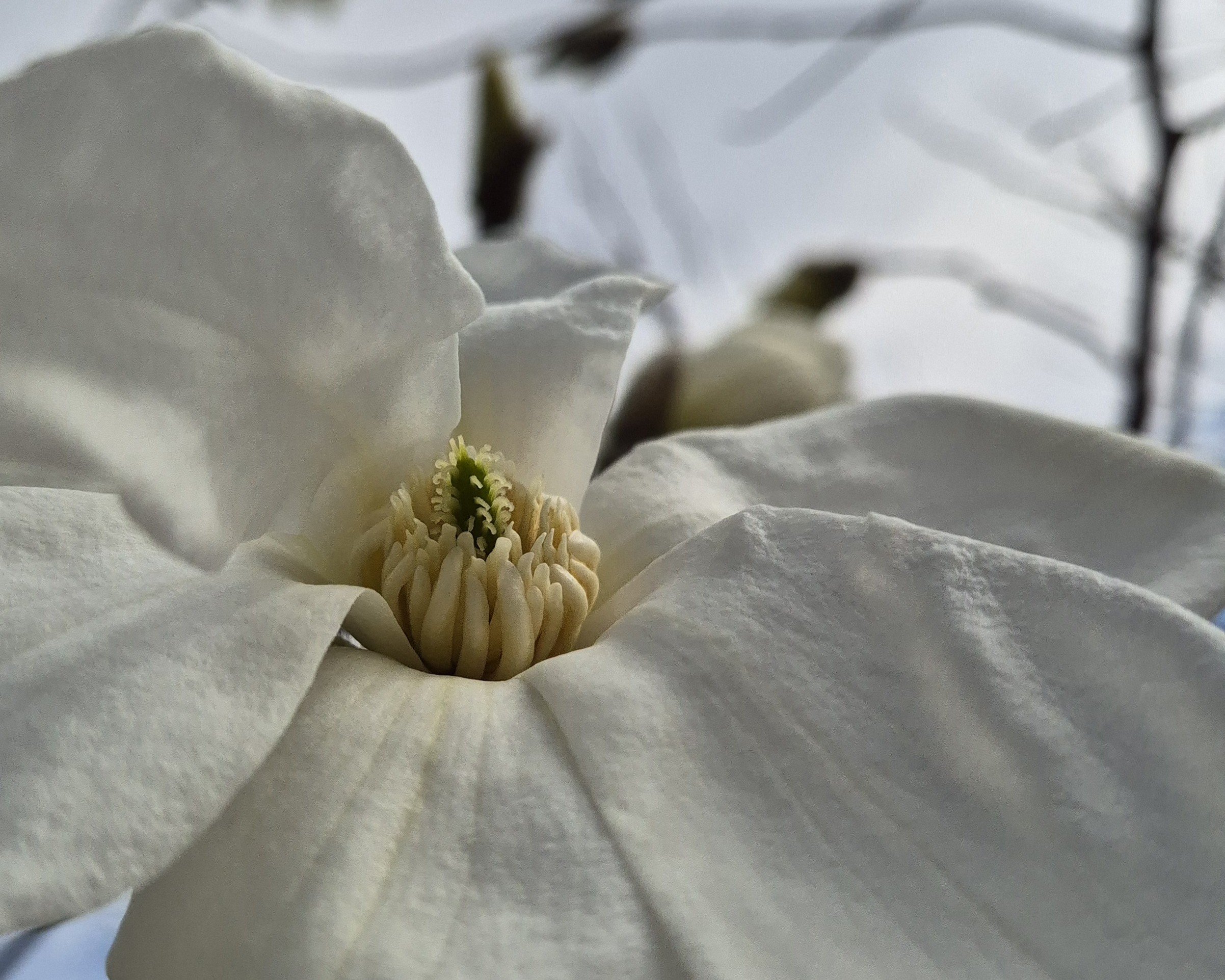
Magnolia kobus – a surprisingly powerful urban carbon sink, capable of storing up to 20,000 lbs of carbon over 60 years, rivalling London plane trees.
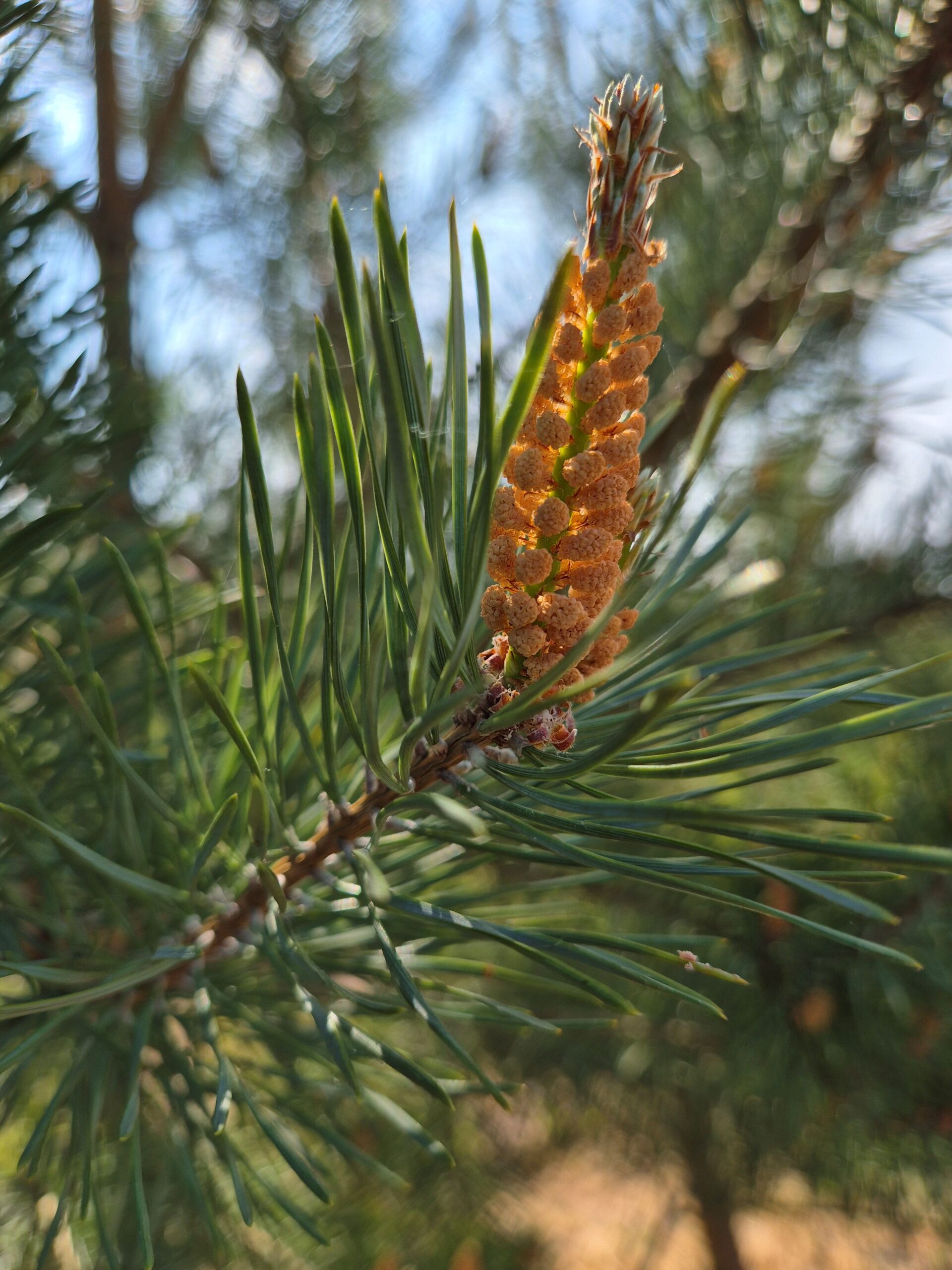
Pinus sylvestris – Scots Pine excels in long‑term carbon storage and adapts to both drought and cold, while supporting diverse wildlife.
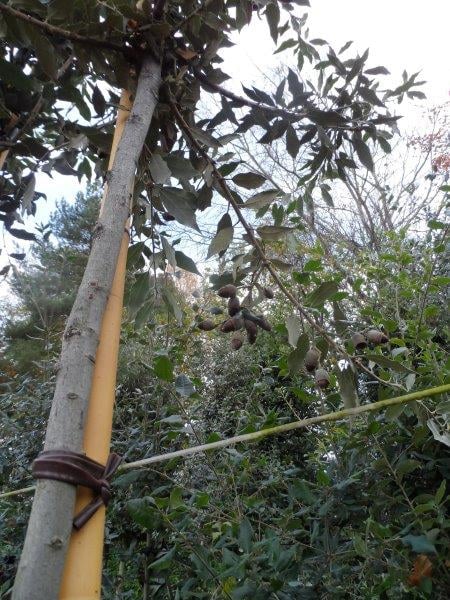
Quercus ilex – an evergreen oak offering year‑round carbon capture, drought tolerance and valuable wildlife habitat.
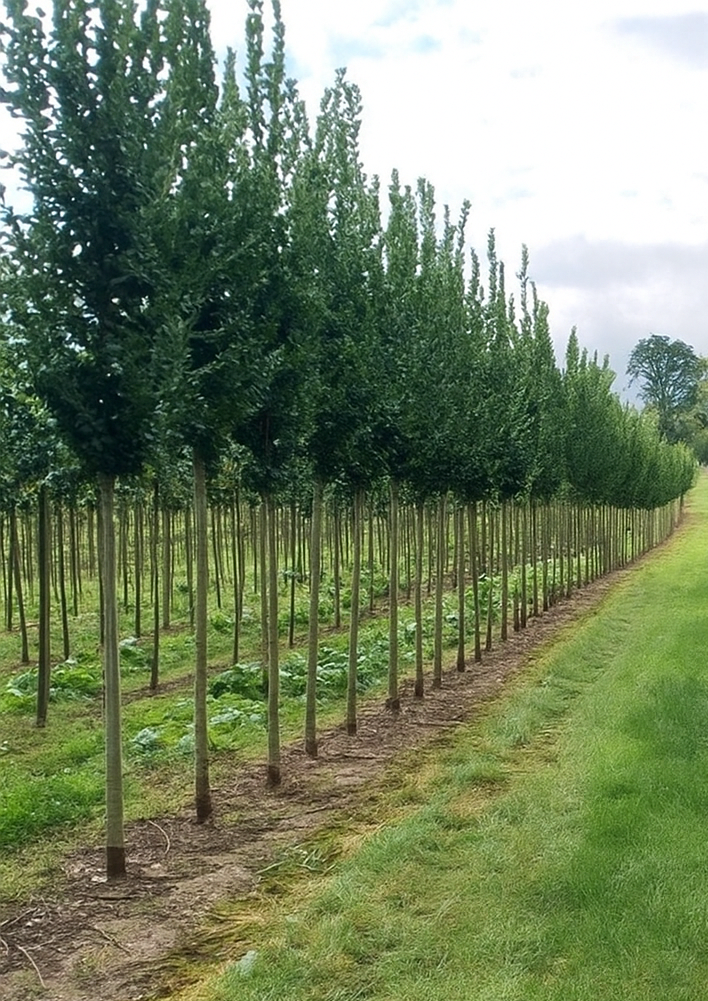
Ulmus ‘Columella’ – highly resistant to Dutch Elm Disease and tolerant of pollution, wind, salt and temporary flooding. A resilient urban survivor.
Planting for tomorrow
Choosing Climate Champion Trees allows landscapes to work harder, storing more carbon, reducing extremes, increasing biodiversity and ensuring long‑term resilience.
Whether for city streets, new developments, rewilding projects or private gardens, these species offer measurable climate impact and lasting environmental value.
Like to place an order?
Get in touch with our Amenity Sales Teams here to find out more and to place an order.