
Mastering tree care: an essential water maintenance guide
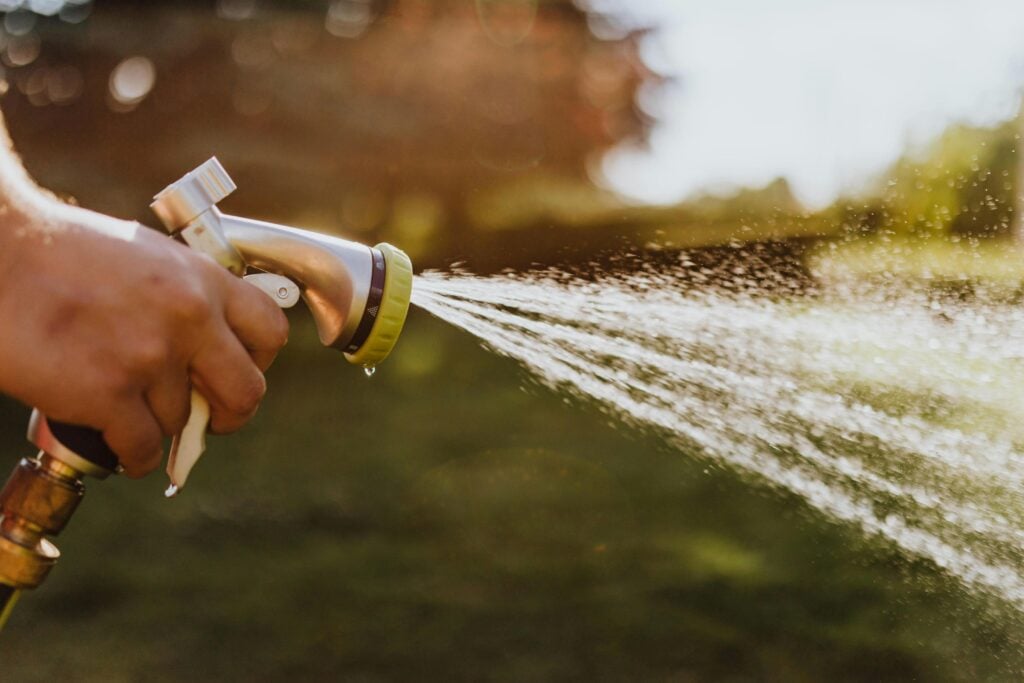
Watering newly planted and established trees is one of the most important steps in ensuring long-term health, resilience and successful establishment.
At Wyevale Nurseries, our Water Maintenance Guide has been developed to help landscapers, contractors and grounds teams understand not only how much to water, but when and why – because getting moisture levels right from day one sets a tree up for life.
Why the right watering matters
Newly planted trees need time to develop a strong, far reaching root system. For around the first three years, consistent moisture is essential. Deep watering once or twice a week is far more effective than light, frequent watering – encouraging roots to grow downwards rather than remain close to the surface.
Soil sampling: the secret to getting it right
Every site is different, which is why our guide recommends carrying out a simple weekly soil sample between 300–500mm deep.
You’re looking for three signs:
• Too dry: soil is dusty, crumbly and won’t hold a shape.
• Too wet: soil is soggy, may smell stagnant, and water may squeeze out.
• Just right: moist soil that can be rolled into a ‘sausage’ and hold its form.
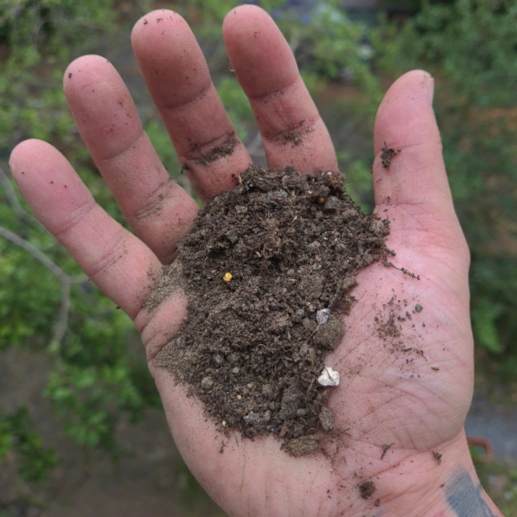
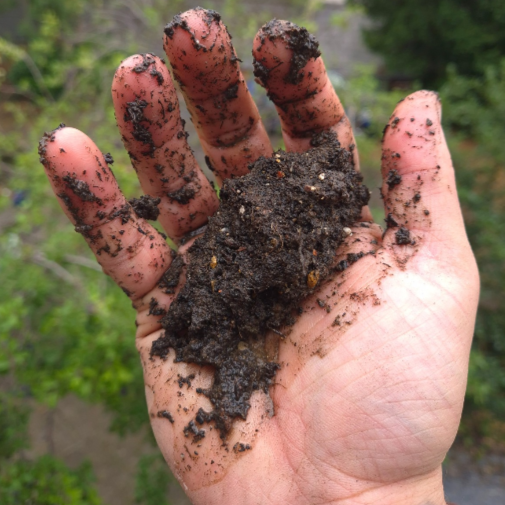
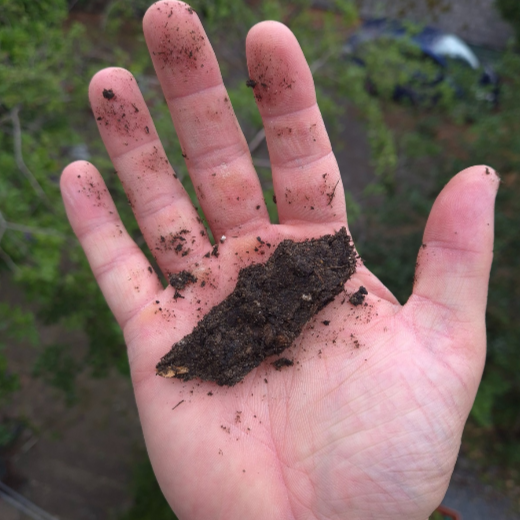
This hands-on check is one of the easiest ways to avoid underwatering or, equally damaging, overwatering.
Watering established trees
Once established, trees become far more drought tolerant but will still require support during prolonged dry periods. Mulching helps retain moisture, regulate soil temperature and reduce the frequency of watering.
Other key considerations
Soil type, weather patterns, drainage and surrounding vegetation all influence how much water your tree will need. Where possible, sustainable sources such as harvested rainwater should be used, supporting both plant health and environmental goals.